
Fannie Lou Hamer is often remembered as a powerful voice of the Civil Rights Movement, but her legacy is also deeply connected to reproductive justice, bodily autonomy, and healthcare dignity, issues that remain central during Women’s History Month and to our work today.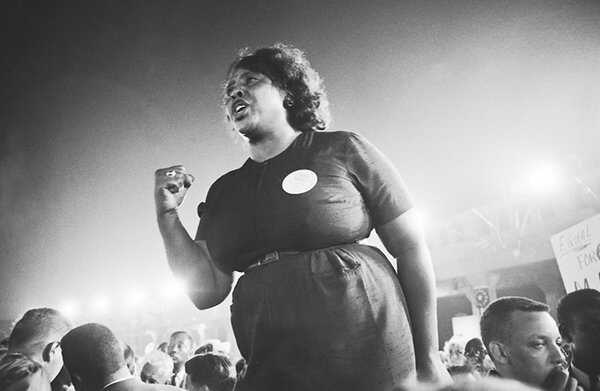
Born in 1917 in rural Mississippi, Hamer was the youngest of twenty children in a family of sharecroppers. She began picking cotton at just six years old and spent much of her early life working on plantations under exploitative conditions. In 1962, after attending a meeting about voting rights, she attempted to register to vote. That single act of courage cost her her job and her home. Instead of backing down, she became a field secretary for the Student Nonviolent Coordinating Committee, helping other Black citizens navigate discriminatory voter registration systems despite intimidation and violence.
In 1964, Hamer helped found the Mississippi Freedom Democratic Party to challenge the legitimacy of Mississippi’s all-white delegation at the Democratic National Convention. Her nationally televised testimony about the brutality she endured for trying to exercise her right to vote forced the country to confront the realities of racial oppression. When she asked, “Is this America?” she gave voice to millions who had been silenced.
Hamer’s advocacy extended beyond voting rights. In 1961, she underwent surgery and later discovered she had been subjected to a non-consensual sterilization, part of a widespread and abusive practice often referred to as a “Mississippi appendectomy.” Rather than remain silent, she spoke openly about reproductive coercion and the systemic denial of bodily autonomy experienced by Black women. She understood that the fight for civil rights included the right to make decisions about one’s own body, to access respectful healthcare, and to build a family free from coercion or control.
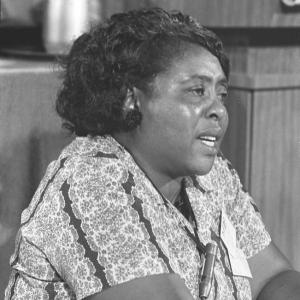 Throughout her life, Hamer connected political power, economic stability, and health equity. She co-founded the Freedom Farm Cooperative to address poverty and food insecurity, recognizing that justice is inseparable from access to basic needs. Her leadership embodied what we now call reproductive justice, the right to have children, not have children, and to parent in safe and sustainable communities.
During Women’s History Month, Fannie Lou Hamer’s story reminds us that the struggle for voting rights, healthcare access, and bodily autonomy are deeply intertwined. Her courage challenges us to continue building systems rooted in dignity, equity, and compassion, and to ensure that every person has the power to make informed decisions about their health and their future.
Sources: https://www.womenshistory.org/education-resources/biographies/fannie-lou-hamerhttps://www.pbs.org/wgbh/americanexperience/features/freedomsummer-hamer/https://nmaahc.si.edu/explore/stories/how-fannie-lou-hamer-challenged-nation