

At Family Planning of South Central New York, we know that access to healthcare, dignity, and justice are deeply connected. We also know that these are not equally granted to all. That’s why, this Women’s History Month, we’re honoring Sylvia Rivera—a trans Latina trailblazer who demanded visibility and rights for the most marginalized members of the LGBTQIA+ community when few others would.
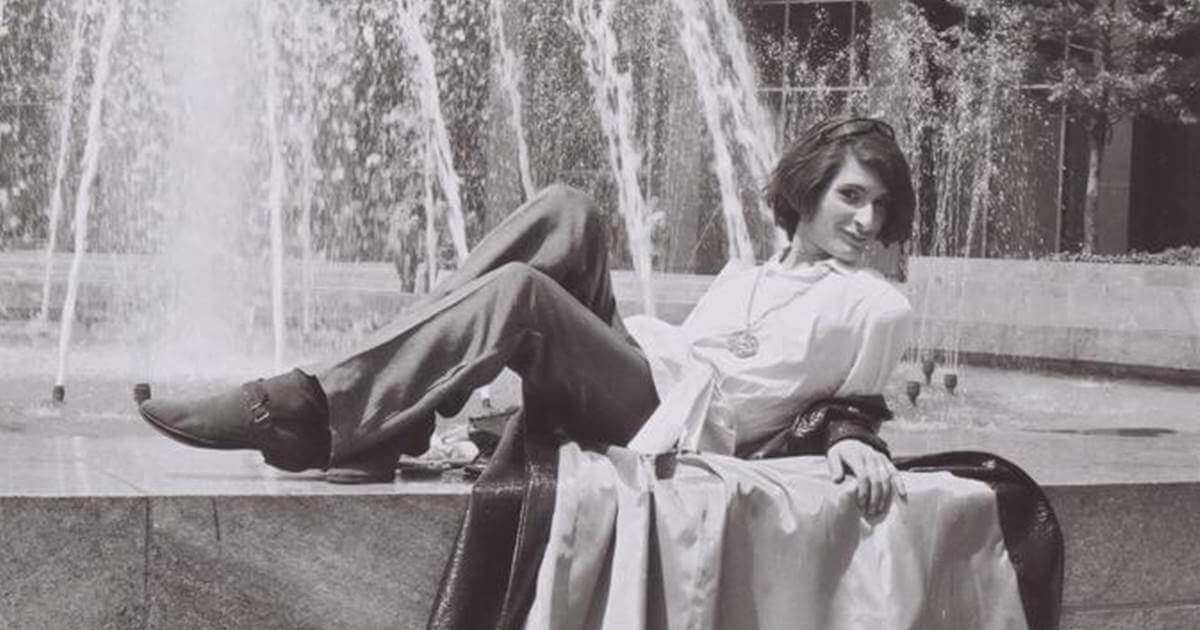
Born in 1951 in New York City to Puerto Rican and Venezuelan parents, Sylvia’s life was shaped by loss and resilience. After her mother’s death when she was just
three, Sylvia was raised by a grandmother who rejected her gender expression. By age 11, she was living on the streets, surviving through sheer strength and the love of a chosen family of drag queens and outcasts. It was in this community, and later through activism with the Young Lords, Black Panthers, and her dear friend Marsha P. Johnson, that Sylvia found her voice—and used it powerfully.
Sylvia Rivera is often credited with helping ignite the modern LGBTQIA+ rights movement through her involvement in the Stonewall Uprising. Whether or not she physically threw the first brick, her relentless activism in its wake helped shape the future of queer liberation. She co-founded Street Transvestite Action Revolutionaries (STAR) and opened one of the first shelters for trans and gender non-conforming youth—long before “LGBTQ+ youth services” was even a concept.
Her commitment was never to prestige, but to her people—especially trans women of color, sex workers, low-income queer youth, and others at the intersection of invisibility and injustice. For that, she was often pushed out of the mainstream gay rights movement, a movement that too often distanced itself from those deemed “too much” or “not presentable enough.” But Sylvia kept showing up.
When booed at the 1973 Pride rally, Sylvia took the stage anyway. “If it wasn’t for the drag queen, there would be no gay liberation movement. We’re the front-liners,” she shouted. It was a truth many didn’t want to hear—but it was one she lived.
Sylvia’s later years were marked by hardship, housing insecurity, and substance use—realities too common for trans people who are left behind, even in movements meant to include them. Yet she never stopped fighting. Before her death in 2002, Sylvia was once again marching in Pride and living in Transy House, a shelter and sanctuary for the trans community.
Today, her legacy lives on in the Sylvia Rivera Law Project, in the protections she fought for, and in the growing recognition she receives—from city monuments to hearts finally ready to listen.
At FamPlan, we serve everyone—regardless of gender identity, sexual orientation, income, or immigration status—because we believe healthcare is a right, not a privilege. Sylvia Rivera’s life reminds us that progress is not made by those who fit comfortably within systems, but by those who dare to challenge them.
This Women’s History Month, we honor Sylvia not just as a historic figure, but as a truth-teller, a protector, and a fierce voice for equity. May her memory forever remind us to fight harder, include more, and never forget those on the margins.
Sources:
https://seattlepride.org/news/spotlight-1-sylvia-rivera
https://www.britannica.com/biography/Sylvia-Rivera
https://forwardtogether.org/how-sylvia-rivera-created-the-blueprint-for-transgender-organizing/