

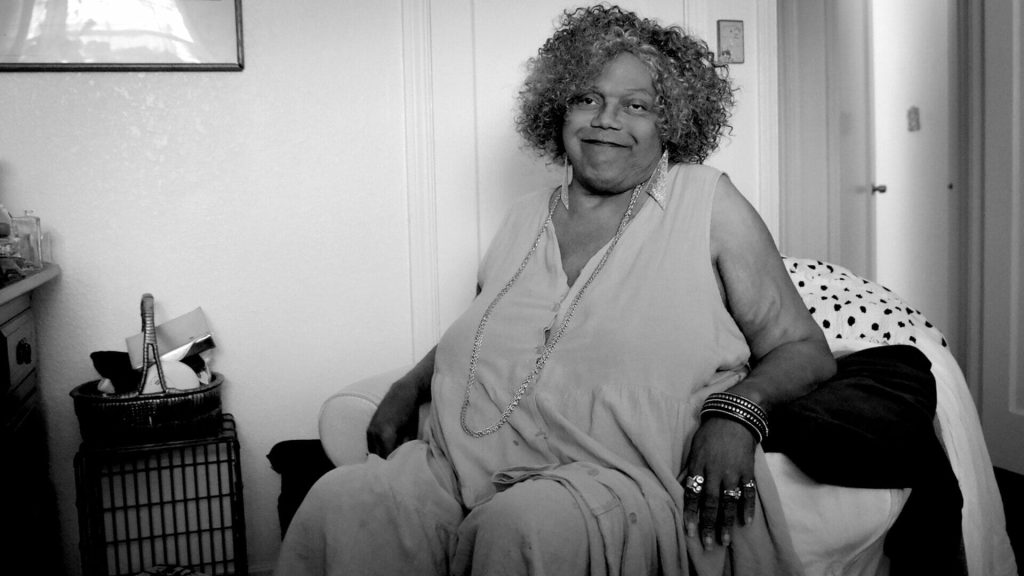
 To end Women’s History Month, and in honor of Trans Day of Visibility on March 31, we honor the memory of Miss Major Griffin-Gracy. Born in the 1940s in Chicago, Illinois, Miss Major was a fierce advocate for trans rights and a lifelong caretaker for other trans individuals. Throughout her childhood, she would try on her mother’s clothes and makeup, but still presented as male in public. After graduating high school at 16, she was expelled from college after other students found her dresses. She moved to New York City in 1962, where she found support in the local LGBTQ+ community and performed in drag shows.
During this time, police raids of drag shows and LGBTQ+ friendly bars were common. Miss Major was part of the infamous Stonewall Uprising in June of 1969, often credited as the start of the LGBTQ+ rights movement in the United States. However, Miss Major often spoke of the work that transgender and queer women of color activists were doing before this time, work that is often overlooked in the historical narrative. 
In 1970, Miss Major was convicted of robbing a sex work customer. Like many Black trans women at the time, she was denied other forms of employment, and sex work was how she survived. She was sent to Sing Sing prison, and after a few months, she was out on parole. When she wore makeup to a meeting with her parole officer, he sent her back to prison, this time to Dannemora. Her experiences there shaped her political consciousness regarding the criminal justice system and its treatment of trans people.
In 1995, Miss Major moved to San Francisco and began working in HIV prevention and outreach with the Tenderloin AIDS Research Center. She managed a transgender drop-in center as a health educator and started street clinics to bring HIV services to unhoused communities. In 2004, Miss Major joined the TGI Justice Project, assisting transgender people in prisons. 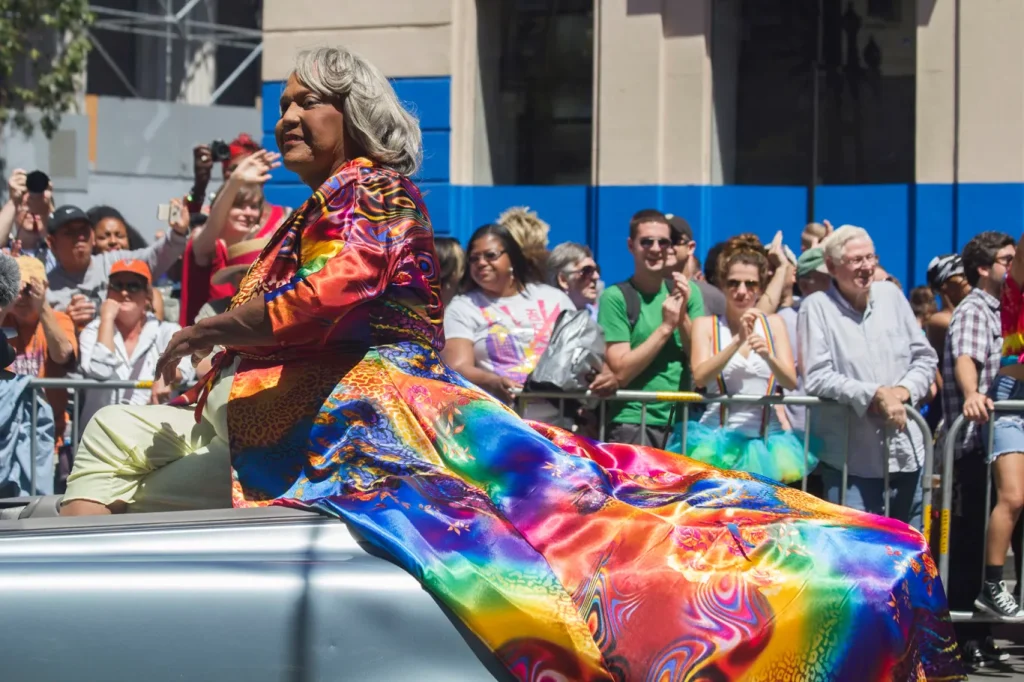
Miss Major passed away in October 2025. Throughout her life, she raised many children and mentored countless young trans people, driven by a need to share the lessons she had learned the hard way. In one interview for her memoir, she said, “When younger people call me mother, or grandmother, I feel as though it’s an honor. To them, it’s like, ‘Here’s an older trans woman who survived, and who’s out there still raising hell.’ Elders can teach the younger people to pick up the fight.”
Miss Major’s legacy is one of hope for collective liberation. She founded the House of gg (also known as The Griffin-Gracy Educational and Historical Center) to empower transgender leaders and communities. She wanted trans people to know that, whatever they’re asking for, they should always ask for more. Her memory and her activism live on.
Sources:
https://19thnews.org/2025/10/transgender-activist-miss-major-dies-78/